美国《外交》双月刊3/4月号文章 题:中国的崛起会导致战争吗?(作者美国乔治·华盛顿大学政治学和国际关系学教授查尔斯·格拉泽)2 f. L, ]; g. |: c4 P5 x3 h
) o, i( ]" s$ ^% s* ]
调整政策可以让冲突避免& G% T2 R7 N/ {
6 F! P1 w9 g) w; t
中国的崛起将很可能是21世纪最重要的国际关系故事,但是现在仍然不清楚这个故事是否能有个皆大欢喜的结局。中国的上升会增加大国战争的几率吗?一个美中关系紧张的时代是否将和冷战一样危险?或许更危险?因为与苏联不同,中国将既是一个经济劲敌,也是一个地缘政治劲敌。' h9 u# e" O0 g& F% d& N
( _4 t" E2 H) V. D6 T' ~9 W( H
一个国家成为超级大国后的行为,以及它和其他国家的行为是否会走向战争,既是由特殊因素决定的,也是由国际政治的普遍模式决定的。 & x# J H% L) f/ Q( u . |/ C5 Y; d* x S$ Z( F: ^' V 中国崛起的结果将不那么取决于国际体系施加的压力,而是取决于美国和中国领导人能够把局势处理得多好。如果美国能够适应新的国际条件,作出一些不合自己心意的让步并且不夸大危险,那一场大的冲突很可能可以避免。 ) C! @" T, J# o1 `0 A# F9 i4 v+ R7 u7 H
当前的国际环境应当可以使美国和中国能够在不对彼此构成巨大威胁的情况下保护自身的重大利益。就算中国的国力在今后的某个时间大大超越美国,美国也仍将保有能够躲过中国任何打击的核力量,并能够在报复中给对方造成巨大破坏。与此同时,中国对美国本土发动大规模常规武器袭击的可能性微乎其微,因为美国和中国被宽广的太平洋阻隔,想跨越这道屏障发动打击将十分困难。中国实力的任何可预见的增强都将不足以克服美国的这两个防御优势。此外,中国也具备同样的防御优势。尽管中国的军力日前远逊于美国,但中国很快就可以建立一支能满足其威慑需求的核力量了。而且中国应该不会认为美国的大规模常规军力特别有威胁,因为美国大部分的部队、后勤和支持都远在太平洋的另一边。4 z# W5 @# x/ I$ t; @9 x5 l- d. ]
# y/ ]% q: ]2 s3 w9 n
应逐步收回对台湾地区承诺0 w3 R. N6 Y1 q1 C9 R; ~0 q& N1 D* A
! a$ Q O F( j9 C8 Q0 r
避免激烈的军事竞争和战争的前景或许是好的,但是中国力量的增长可能仍然需要美国对外交政策进行一些让华盛顿感到难受的改变,特别是在台湾问题上。 - k: {$ p7 R; `& d5 \" c1 P9 F$ d- S& K2 e
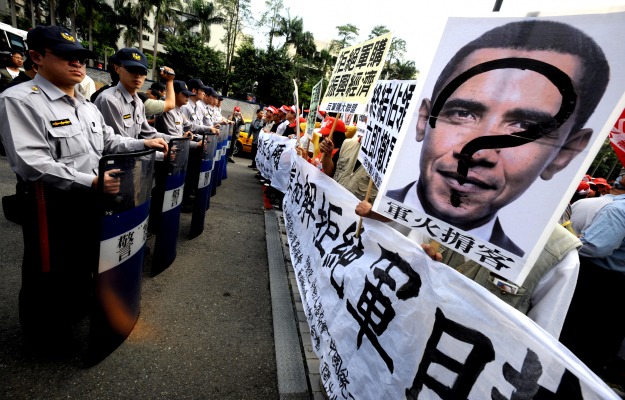
一场因台湾地区问题而起的危机可能极易升级为核战争。当前的美国政治旨在减小台湾地区宣布独立的可能性并明确美国将不会在台湾地区宣布独立时援助台湾。然而,美国将发现自己要被迫保护台湾地区免受任何种类的攻击,而不管攻击是出于何种原因。考虑到台湾地区各政党的利益和理念不同以及华盛顿对台北行为的控制有限,危机果真发生时,美国可能发现自己被事态牵着鼻子走,而不是引领事态的发展。 5 r) ~( O/ n7 z: x% c; K8 Y" S, b! G+ L! A+ v1 M$ W
这种危险已经存在几十年了,但是中国军力正在增强一点或许让北京更愿意加剧台海危机。除去常规能力得到加强外,中国正在进行核力量的现代化建设,以增强它们在遭受美国的大规模攻击后存活和报复的能力。传统的威慑理论认为,华盛顿目前具备的摧毁大部分或全部中国核力量的能力加大了它的筹码。中国的核现代化或许会解除这种能力对中国行为的“封印”,从而导致北京在未来发生危机时比以往表现得更加大胆。与此同时,美国试图保留其保卫台湾地区能力的尝试可能会激起一场常规和核军备竞赛。美国攻击能力和战略弹道导弹防御能力的提高或许会被中国解读为体现美国恶意的信号,从而导致中国进一步加强军力,并导致美中关系整体受损。 8 a5 l- g: B7 R4 d / T3 m9 F W$ l8 Y9 L. A 考虑到这些风险,美国应当考虑逐步收回其对台湾地区的承诺。此举将消除美中两国间最明显、争议最大的爆发点,并为今后数十年的两国关系铺平道路。对此举持批评意见的人说,这将不仅给美国和台湾地区带来直接损失,还将带来间接损失:北京将不会满足于这种绥靖行为;相反,它将发现自己的胃口被吊起来,并在后面提出甚至更大的要求——这都是因美国失去作为盟友捍卫者的可信度而起。但是,这些持批评看法的人错了,因为领土让步并不总是注定会失败。当一个对手的领土目标有限时,赞同这些目标未必会导致进一步的要求,而是使相关方对新的现状以及紧张关系缓和感到满意。: P% M0 w$ u' m6 T, f
+ L2 g/ l* u, {- d4 S) D
别对中国军力反应过度- G' r2 }- c5 H, |
' J( }! p& c) k! d
有关权力交替将如何收场的现实主义分析是建立在如下假设的基础上的:即各国可以准确地看清并应对它们面对的国际局势。如此说来,现实主义乐观情绪建立在如下假设的基础上:即美国领导人明白美国事实上享有世所罕有的安全,而且他们将能够据此行事。如果事实证明这种假设是错误的,再如果美国夸大中国构成的威胁,那么未来发生冲突的风险就加大了。不幸的是,我们有‘些理由担心这种假设或许确实是错误的。2 E: S1 a; w. ?- G, }3 T
4 ~. Z9 t( i2 r: ^" t; k {6 C( e
比如,认为一个崛起中的中国将严重威胁美国安全的流行看法可能成为一种心理暗示。如果华盛顿不明白中国日益增强的军力没有危及美国的关键利益,它或许就会采取竞争意味浓厚的军事和外交政策,而这或许转而会向中国表明,美国居心不良。如果中国因而产生不安全感,它采取竞争性政策的可能性就更大,而美国会认为这些政策比先前更具威胁。结果将是一场恶性循环,不是由两国事实上面临的国际局势推动的,而是由它们被夸大的不安全感推动的。4 X' v0 y; j, s) }) K2 F
/ S9 i( X5 D" D) C* \+ N) j - a; ?; F* c( r# c在美国纽约州北部哈德逊河西岸西点镇的西点军校举行的2010年度毕业典礼上,美国总统奥巴马(左)接受学员代表赠送的礼物 7 O0 `- f6 J; w0 n* W% a. Q1 |& X! z$ z5 w
目前美国尚未对中国军力的发展作出过度反应,但这种可能性肯定是存在的。比如,当前的美国《国家安全战略报告》要求美国保持其常规军事优势,但是没有讲清楚原因,也没有对部队和能力作出具体说明。在可预见的未来,中国还无法具备可以与美国匹敌的力量投掷能力,但是它的军队建设已经在削弱美国在中国周边作战的能力了。这将很快引出一系列问题:比如美国到底为什么必须具备全面的常规优势;如果没有这种优势,美军就无法执行哪些具体任务;如果无法执行这些任务,将对美国安全造成多大危害。对这些问题没有明确答案的话,美国就很可能会高估中国军力增强的意义。7 o. c; F7 w: b* f* T
4 h; Z- \9 A; A& e 中国的常规军力和核军力建设将削弱美国的一些能力。但是美国不应当急于将这些增强军力行为归因于恶意的动机,而应当敏锐地观察,这些行为是否仅仅反映了中国对安全的合理渴望。假如中国有能力在美国海岸附近部署航母编队并通过远程轰炸机攻击美国本土,华盛顿自然会希望具备削弱这些装备的能力。再假如美国的战略核部队和中国的一样不堪一击、规模较小(目前中国战略核部队的规模大约相当于美国的1/100 至1/10).美国也会试图尽快在有能力的时候赶上来。那些行为将不是受到企图征服世界的任何邪恶计划驱使,而且到目前为止,有很让人信服的理由认为,这种道理也适用于中国。/ N0 k, V) s3 m
$ M8 J; _' O1 b$ R6 X+ D5 P
总而言之,中国的崛起可以是和平的,但是这种结果远非板上钉钉。与标准的现实主义观点桕左,国际体系制造的基本压力将不会迫使美国和中国发生冲突。核武器、太平洋的阻隔以及曰前还算相对良好的政治关系应该会让两国维持高度的安全状态并避免推行使两国关系极为紧绷的军事政策。美国面临的挑战将是:在不那么重大的利益(比如台湾地区)或许会引发问题的情形下,调整政策,确保自己不夸大中国口益增强的实力和军力所带来的风险。 e' s( Q& e1 M; Q% x
" h2 Y3 [- x' G
Will China's Rise Lead to War? 9 V: H( O& A& k/ A4 [# T0 d$ zWhy Realism Does Not Mean Pessimism By Charles Glaser March/April 2011; C3 I& R: Z9 S* O# b
Summary: * ~8 m$ }# o0 T% m$ L; z+ P
. G2 @& h, @: }& q4 bRealist international relations theorists usually would predict that the basic pressures of the international system will force the United States and China into conflict. But properly understood, realism offers grounds for optimism in this case, so long as Washington can avoid exaggerating the risks posed by China's growing power.6 M/ v0 B+ A: i. n: r& e
+ q3 \5 ?$ N- Z4 x |5 F5 w6 p: r
CHARLES GLASER is Professor of Political Science and International Affairs and Director of the Institute for Security and Conflict Studies at the Elliott School of International Affairs at George Washington University. This essay draws on his recent book Rational Theory of International Politics. $ a' k- c7 b& C: y/ y" a & U0 E( m* w- d( L* `The rise of China will likely be the most important international relations story of the twenty-first century, but it remains unclear whether that story will have a happy ending. Will China's ascent increase the probability of great-power war? Will an era of U.S.-Chinese tension be as dangerous as the Cold War? Will it be even worse, because China, unlike the Soviet Union, will prove a serious economic competitor as well as a geopolitical one?9 u/ _- W0 ?' a8 `7 y
% a2 X, N0 p7 U- sThese issues have been addressed by a wide range of experts -- regionalists, historians, and economists -- all of whom can claim insight into certain aspects of the situation. But China's unique qualities, past behavior, and economic trajectory may well turn out to be less important in driving future events than many assume -- because how a country acts as a superpower and whether its actions and those of others will end in battle are shaped as much by general patterns of international politics as by idiosyncratic factors. Such broader questions about the conditions under which power transitions lead to conflict are precisely what international relations theorists study, so they, too, have something to add to the discussion. ( i( Y, A1 X/ Z5 l# J1 L; G0 _6 W8 O b# C
So far, the China debate among international relations theorists has pitted optimistic liberals against pessimistic realists. The liberals argue that because the current international order is defined by economic and political openness, it can accommodate China's rise peacefully. The United States and other leading powers, this argument runs, can and will make clear that China is welcome to join the existing order and prosper within it, and China is likely to do so rather than launch a costly and dangerous struggle to overturn the system and establish an order more to its own liking. & @' i: ~2 a1 S- X: }/ h( z6 h3 Y/ y4 M% V9 `
The standard realist view, in contrast, predicts intense competition. China's growing strength, most realists argue, will lead it to pursue its interests more assertively, which will in turn lead the United States and other countries to balance against it. This cycle will generate at the least a parallel to the Cold War standoff between the United States and the Soviet Union, and perhaps even a hegemonic war. Adherents of this view point to China's recent harder line on its maritime claims in the East China and South China seas and to the increasingly close relations between the United States and India as signs that the cycle of assertiveness and balancing has already begun. $ U) t( {3 z8 `6 W% @' l % {% N$ q( q/ ^/ F% M: x! J% O( K0 t& }2 a( F% h. n+ t




 图片附件: obama.jpg (2011-3-9 16:45, 112.64 KB) / 下载次数 109