# U+ G7 v6 e7 q" V2 a 最后由无人驾驶汽车的“脑”———安装在汽车后备箱内的计算机,将两组数据汇合、分析,并根据结果向汽车传达相应的行驶命令。 6 V9 g8 O* w, }- M* l$ e5 ]1 j2 h; e" s1 `' A% u
多项先进科技确保这款无人驾驶汽车能够灵活换挡、加速、转弯、刹车甚至倒车。在茫茫车海和人海中,它能巧妙避开建筑、障碍物、其他车辆和行人,从容前行。 0 r. b& v6 k& _$ \6 @/ _8 m7 {6 t) y4 x" [2 G
●接受都市挑战 1 ^7 y5 v5 F7 C3 n6 j, c' ? ) Y4 s V6 E. v! y8 e @ Team Lux公司将携装有这种先进无人驾驶技术的汽车参加今年11月在美国举行的无人驾驶汽车拉力赛。 & B. I5 _ x; {3 |2 I" Q& C+ C7 S0 q* z' P7 y6 B" F
今年的比赛要求参赛汽车在美国某城市中心区行驶97公里,旨在考验无人驾驶汽车在错综复杂的城市交通系统下安全、快速行驶的能力。冠军将获得120万美元奖金。这一比赛由美国国防部高级研究计划局赞助,旨在为研发无人驾驶技术提供候选方案。比赛已分别于2005年和2003年举办两届。 1 I; e5 q; E0 t / j8 |* Q* D6 ?5 c* h 2005年比赛在加利福尼亚州莫哈韦沙漠举行,4辆无人驾驶汽车成功穿越212公里崎岖路段到达终点。冠军“斯坦尼”还被着名《连线》杂志评为“最佳智能机器人”。 5 G# ^+ e( G' N1 ~/ |" [5 V* O. z# k0 o) \. ~' l
2 K/ G$ g$ l% h: B: f- \$ s3 V( R
Driverless car goes on show in London . i8 n2 y T" _( A 5 f$ L) j2 t( Z, D8 O* sA car driven by a hi-tech ghost of laser sensors and computers has gone on exhibit in London, before it competes against other robot cars in the United States in November.9 ?( S& L0 h2 b2 y! Z s
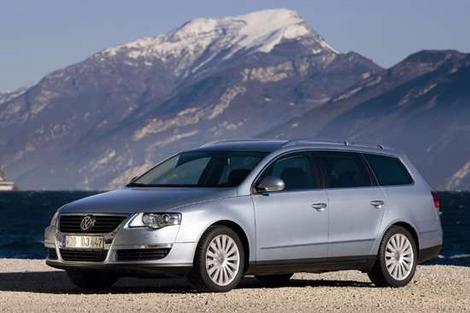
2 {8 ~! y2 v! SThe Volkswagen Passat 2.0 TDI drives using two eye-like laser sensors in the front and one in the back that scan road conditions, buildings, other vehicles and pedestrians over a range of up to 200 metres., a0 @. D* w+ `
" r9 v. w; o" [5 Z
An on-board computer digests and acts on the information using software developed by the Hamburg, Germany-based Ibeo Automobile Sensor company, said company experts displaying the car at the Science Museum in London.4 z! |" x; B$ }9 ~* ]2 b
e/ Z0 z) s- o! _3 i' {
In November, the car will compete against other driverless vehicles in the third annual US Defense Advanced Research Projects Agency (DARPA) Urban Challenge over a 60-mile course in America.8 c. g9 h6 y) W: ^
3 l1 p7 L# ?5 O/ j1 g/ P6 u) h"We are competing against the world's best in terms of automobile technology," Ibeo chief executive Ulrich Lages said. ! ], b3 o# L: S+ x1 h/ V4 [- w; T k, _5 ~6 R$ I
"Although we are a relatively small team and, unlike the big players, do not have a large budget, we believe we have a great chance at DARPA 2007," he said.9 J3 F6 Y0 i; M
! M0 R! ]! t/ R"Our innovative laser technology gives us a lead of several years over our prospective rivals, especially in the field of object and environmental detection," he said.( T3 S( x( W+ V+ ?
% O/ w4 g4 J q. W5 | m
Christened LUX, the refitted Volkswagen that looks exactly like a standard road model is due to go into small-scale production next year and the firm hopes that its technology can eventually be used in production cars.. S, c4 ^- P8 k1 E* ^3 _7 c( d/ j
1 i- W8 p; z2 \3 ~$ s
At a conference in the US city of San Francisco in February, scientists predicted robot-driven cars could be shuttling humans around by the year 2030.

 图片附件: [The Volkswagen Passat 2.0 TDI.] Driverless car.jpg (2007-4-13 13:07, 22.59 KB) / 下载次数 102